Making Space for Mental Health
Can We Avoid Burnout?
We often use the term “burnout” as a vague label for an exhausting day or week of hard work, but actual burnout is more than

We often use the term “burnout” as a vague label for an exhausting day or week of hard work, but actual burnout is more than

At Dialectic, we think a lot about DEI, soft skills, and leadership training that makes organizations more inclusive and human-friendly. When we team up with

Ageism commonly affects women over 40 in the workplace. In spite of their tremendous wisdom and experience, women over 40 may be passed over for

“Should my workplace plan holiday festivities?” It’s been a particularly challenging time for so many people as we individually and collectively grieve unfolding hostilities and
When we first connect with a new client, we’re most often dealing with “the champion” – the HR or L&D leader who has identified a

Accessibility is not optional. We hear it over and over again, and with good reason. And while the message rings true, there’s often a giant

There are lots of conversations around what works and what doesn’t when it comes to diversity, equity, and inclusion practices.

The topic of wellness is becoming increasingly pervasive in the DEIB space. And most often when we think of wellness, we think about wellness as
Ageism commonly affects women over 40 in the workplace. In spite of their tremendous wisdom and experience, women over 40 may be passed over for
“Should my workplace plan holiday festivities?” It’s been a particularly challenging time for so many people as we individually and collectively grieve unfolding hostilities and
Accessibility is not optional. We hear it over and over again, and with good reason. And while the message rings true, there’s often a giant
There are lots of conversations around what works and what doesn’t when it comes to diversity, equity, and inclusion practices.

As more and more leaders look at ways they can improve diversity, equity and inclusion in their organization, DEI professionals, strategists, and consultants want them

Embracing Neurodiversity in the workplace should be a top priority in your organization. This allows neurodivergent individuals to feel valued and supported while also contributing
A commonly-shared designer’s proverb says, “To design for everyone is to delight no one”

While the pandemic persists and restrictions come and go, employees continue to sit with uncertainty.
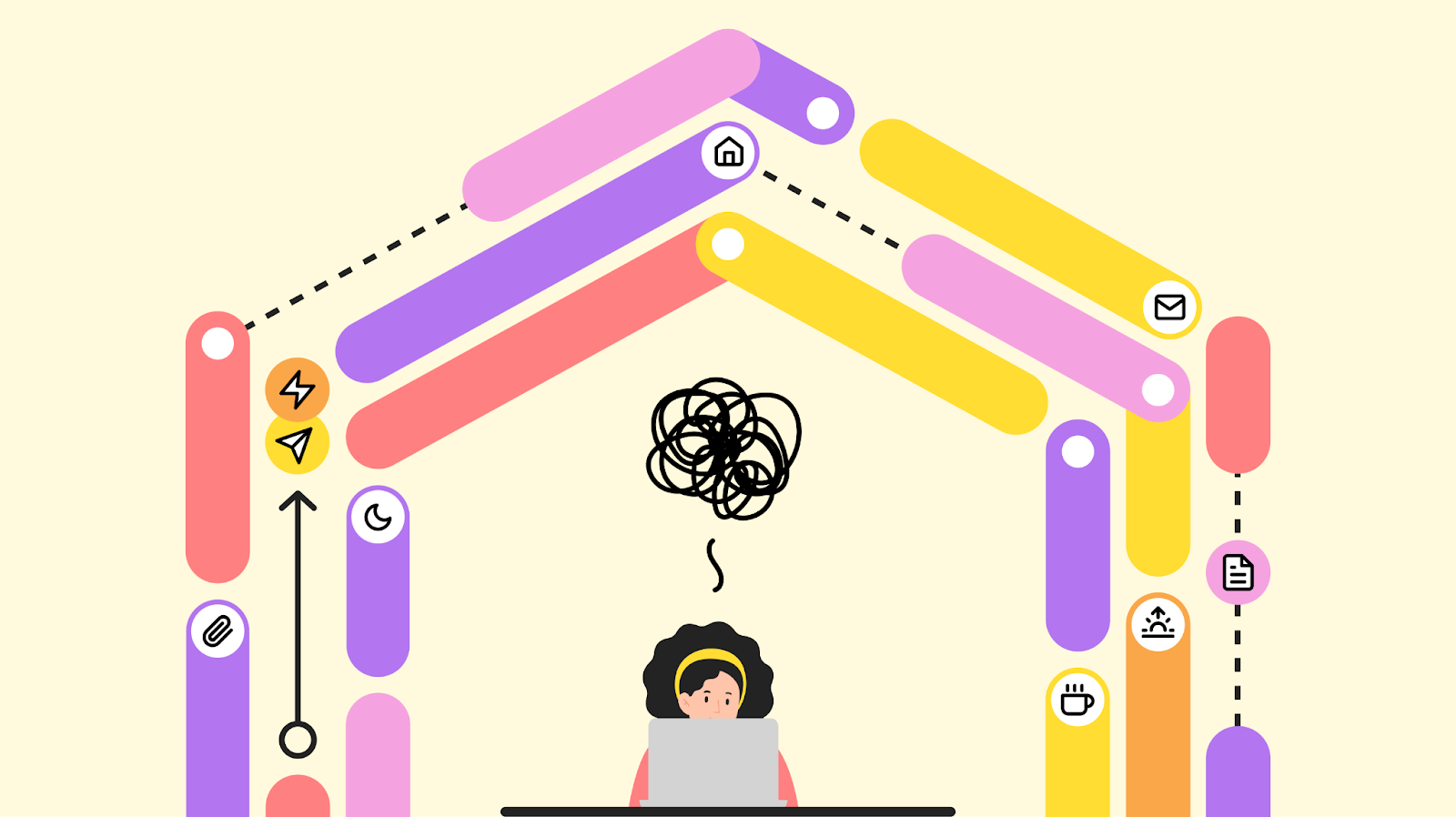
The pandemic has forced many of us into working remotely without any indication of how long this would last. This left employers with little time

Performance reviews continue to reinforce gender bias in the workplace putting women at a disadvantage to men. Eliminating gender discrimination should be a top priority
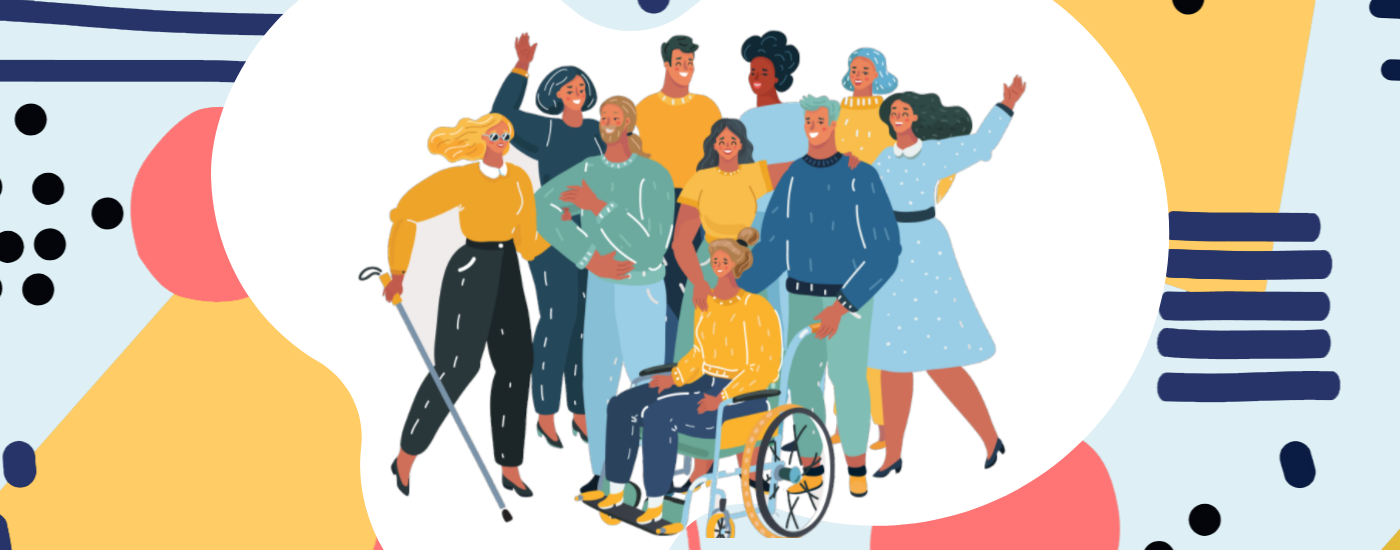
Ontario is the first province and one of the first jurisdictions in the world to enact specific legislation establishing a goal and time-frame for accessibility.

The world is changing and it’s time to update your hiring practices to prioritize inclusion and accessibility, whether you’re hiring online or in person. Various

The recent shift to predominantly online learning methods has raised many questions about how to ensure all learners continue to receive their accommodations. The COVID-19
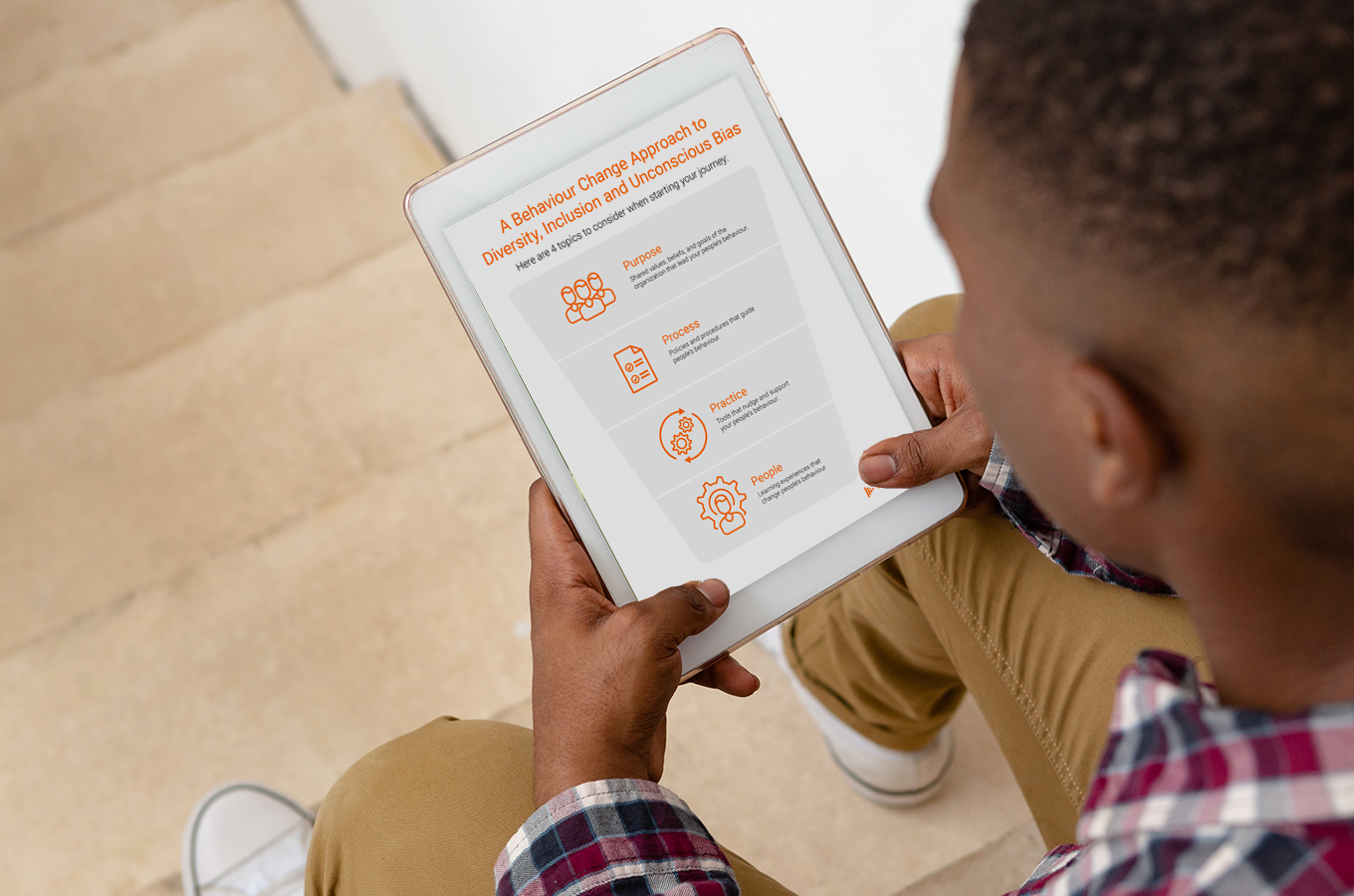
Take a minute and look around your workplace. Does everyone look like you? Do some people dominate conversations and situations at the expense of others?
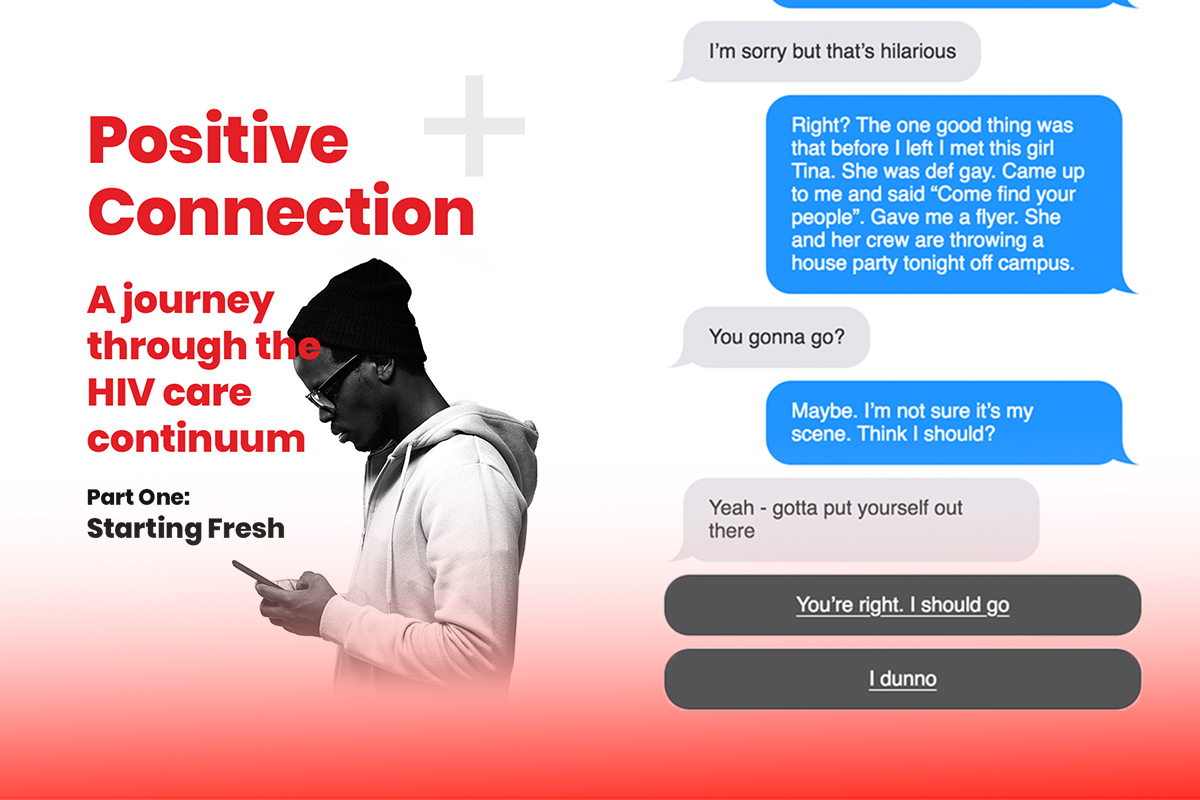
How not-for-profits can turn awareness into real change. Most leaders of not-for-profit organizations are well acquainted with the constant conflict between a deep desire to
At Dialectic, we think a lot about DEI, soft skills, and leadership training that makes organizations more inclusive and human-friendly. When we team up with

Gimmickry rules the day on e-learning authoring platforms. Learners deserve more: evidence-based strategies for real-world outcomes. The hard-fought victories of the Flash-media e-learning days pale
Take a minute and look around your workplace. Does everyone look like you? Do some people dominate conversations and situations at the expense of others?

The Thanksgiving holiday season is the perfect time for families to have important discussions about advance care planning. Advance care planning involves making decisions about
How not-for-profits can turn awareness into real change. Most leaders of not-for-profit organizations are well acquainted with the constant conflict between a deep desire to
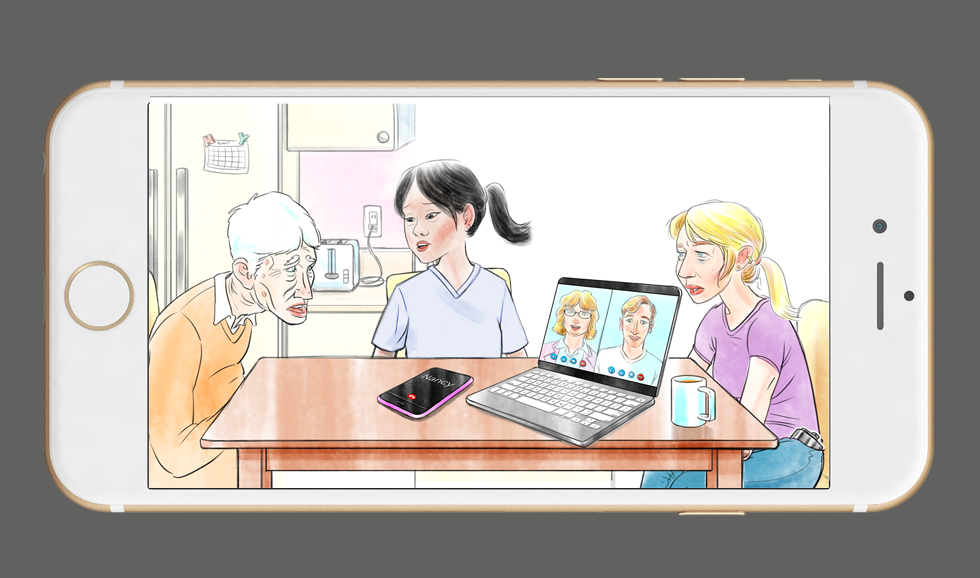
Experience is the most powerful teacher. We figure out whether our decisions are good or bad, right or wrong from experiencing the consequences of our

“Freedom” and “work” don’t typically overlap in most people’s minds, but can they? For a growing number of founders and businesses, the answer is yes!

A recent and heartening trend in the field of diversity, equity, inclusion, and belonging has been the increase in job postings for Chief Diversity Officers
Inclusion has been a growing concern for organizations for several years, but the pandemic shifted the discourse. Employees and recruits are demanding that companies do

Workplace diversity and inclusion should be a top priority for businesses looking to hire new talent. To make diversity and inclusion an ongoing part of

When done right, prioritizing diversity, equity and inclusion will boost your bottom line. Fostering an inclusive workplace culture will take continuous time and effort, but

2020 has been a year unlike any other. As the year comes to a close, here are our top 2021 diversity, equity and inclusion predictions.

There are likely more holidays being celebrated by your colleagues at the end of the year than just Christmas. It’s important to respect the many
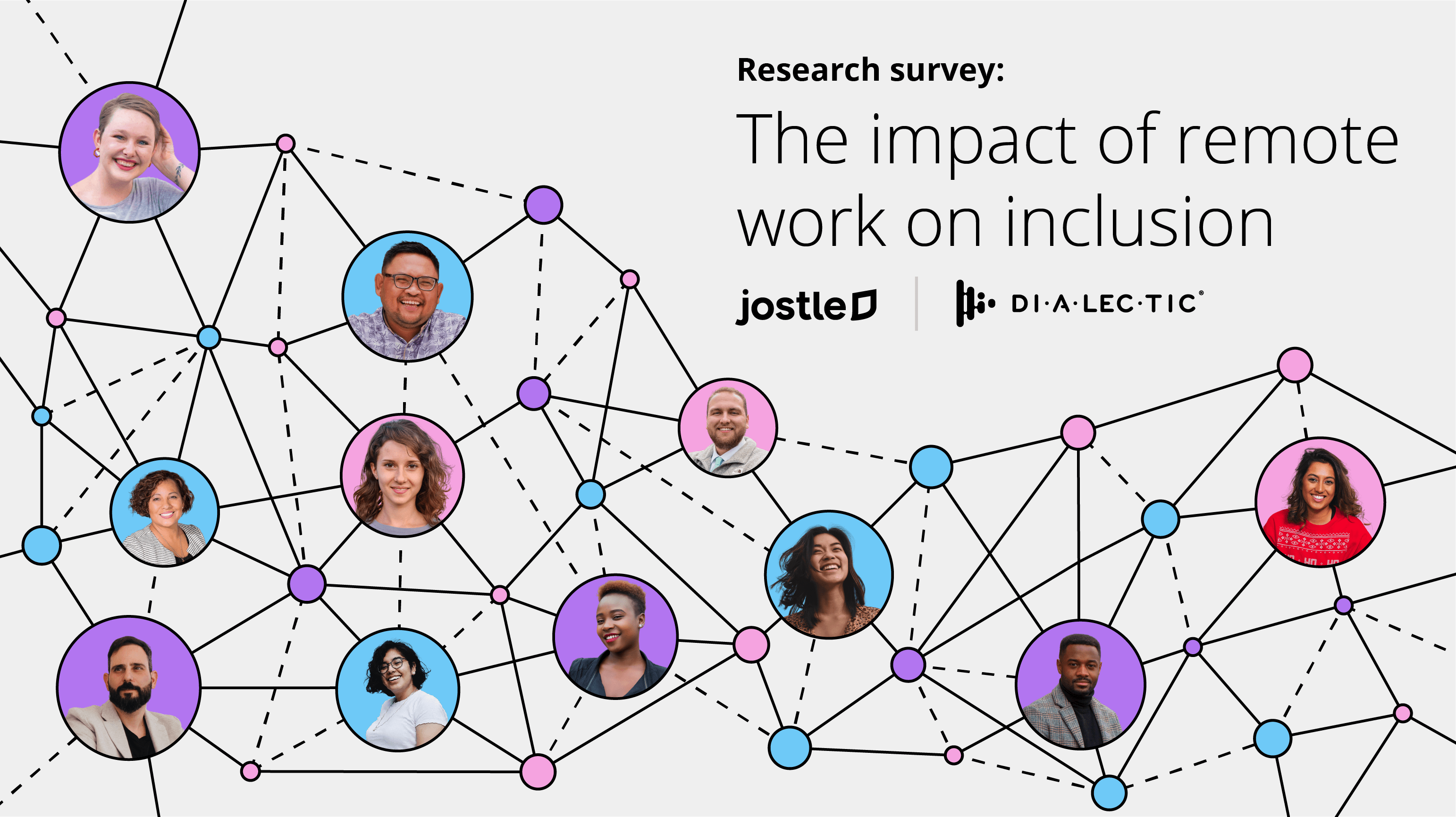
Jostle, Dialectic and Learning Snippets want to understand the impact remote work is having on employee inclusion and the feelings of well-being and belonging.

The key is strong leadership and a workplace culture that authentically and actively promotes diversity and inclusion. Womxn, LGBTQ+ employees and employees of colour are
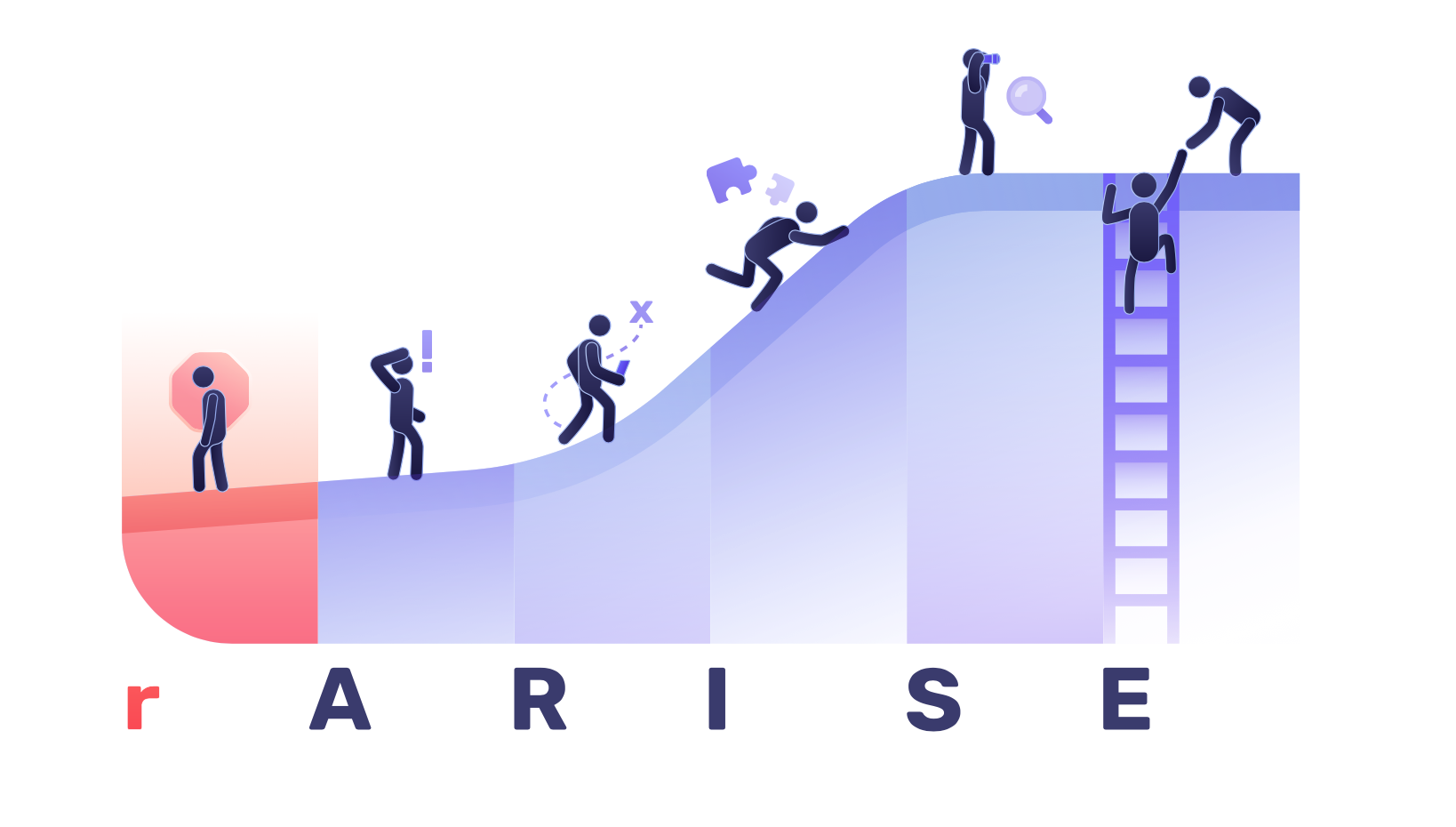
Being able to measure learning outcomes of DEI training is essential to successfully tracking an individual’s progress. Most DEI training isn’t measurable, which means although

Unconscious biases develop over the course of a lifetime, however they can be unlearned with proper training and practice. Unconscious bias training works to disrupt

The ongoing COVID-19 pandemic has forced many companies to rethink their professional development strategies, including their existing DEI training approaches. Entering our eighth month in
Diversity and inclusion should always be at the forefront of your thoughts and efforts in the workplace. One-off training days for diversity and inclusion might

Understanding the complexities of diversity and inclusion in the workplace can be overwhelming. Talking to your boss about how to improve your company’s diversity and
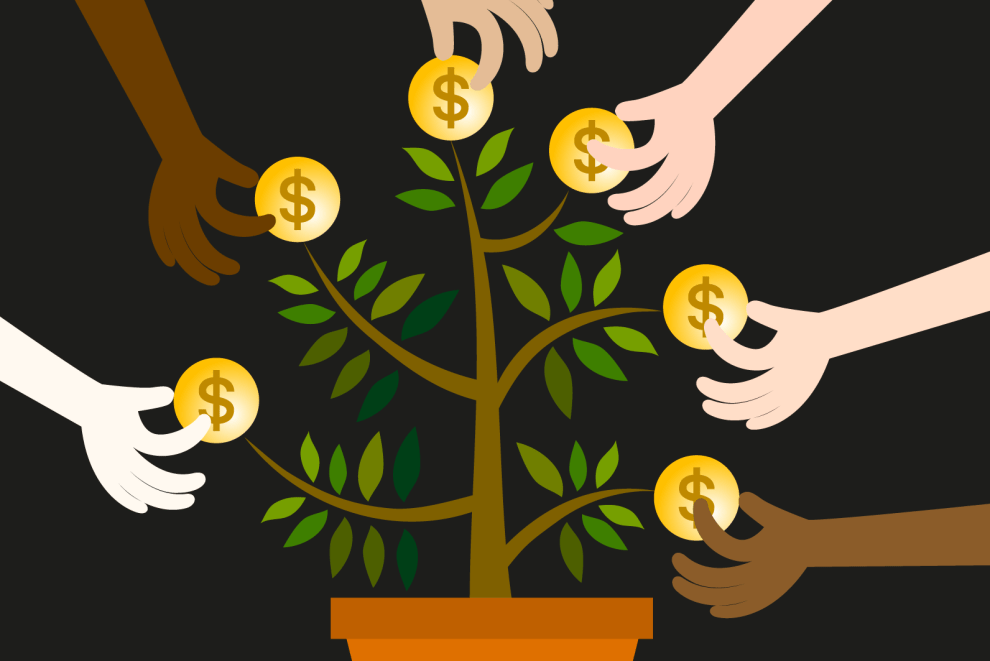
Diversity, Equity and Inclusion training should be factored into your company’s Learning Development budget. To make diversity and inclusion an ongoing part of your workplace

Leading your workplace to diversity starts with challenging the status quo. Measurable results come from prioritizing the development of your own inclusive practices. Everyone has
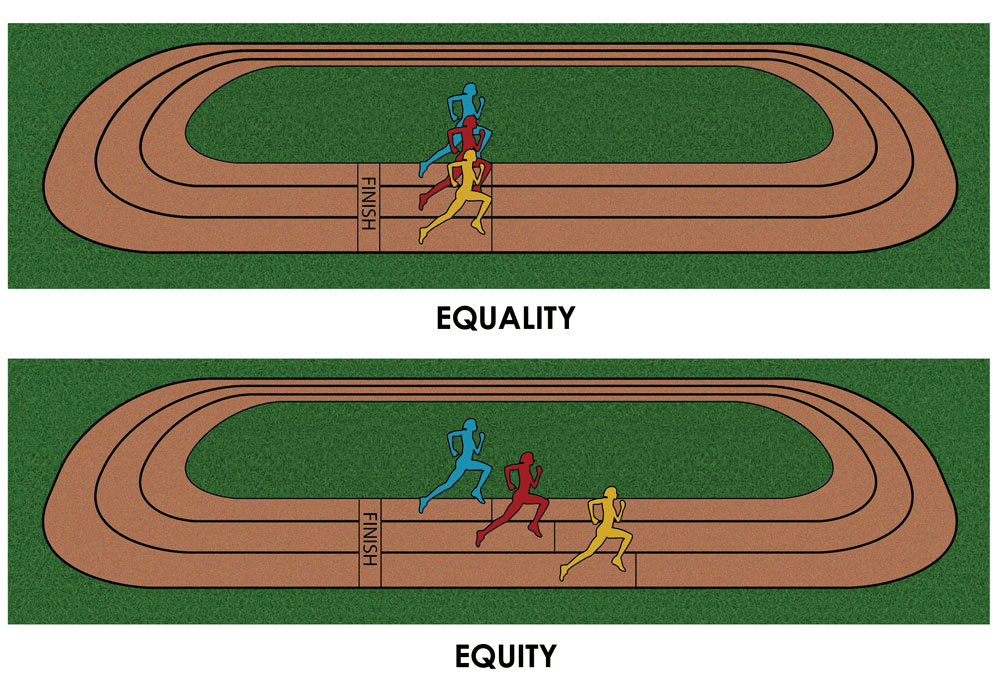
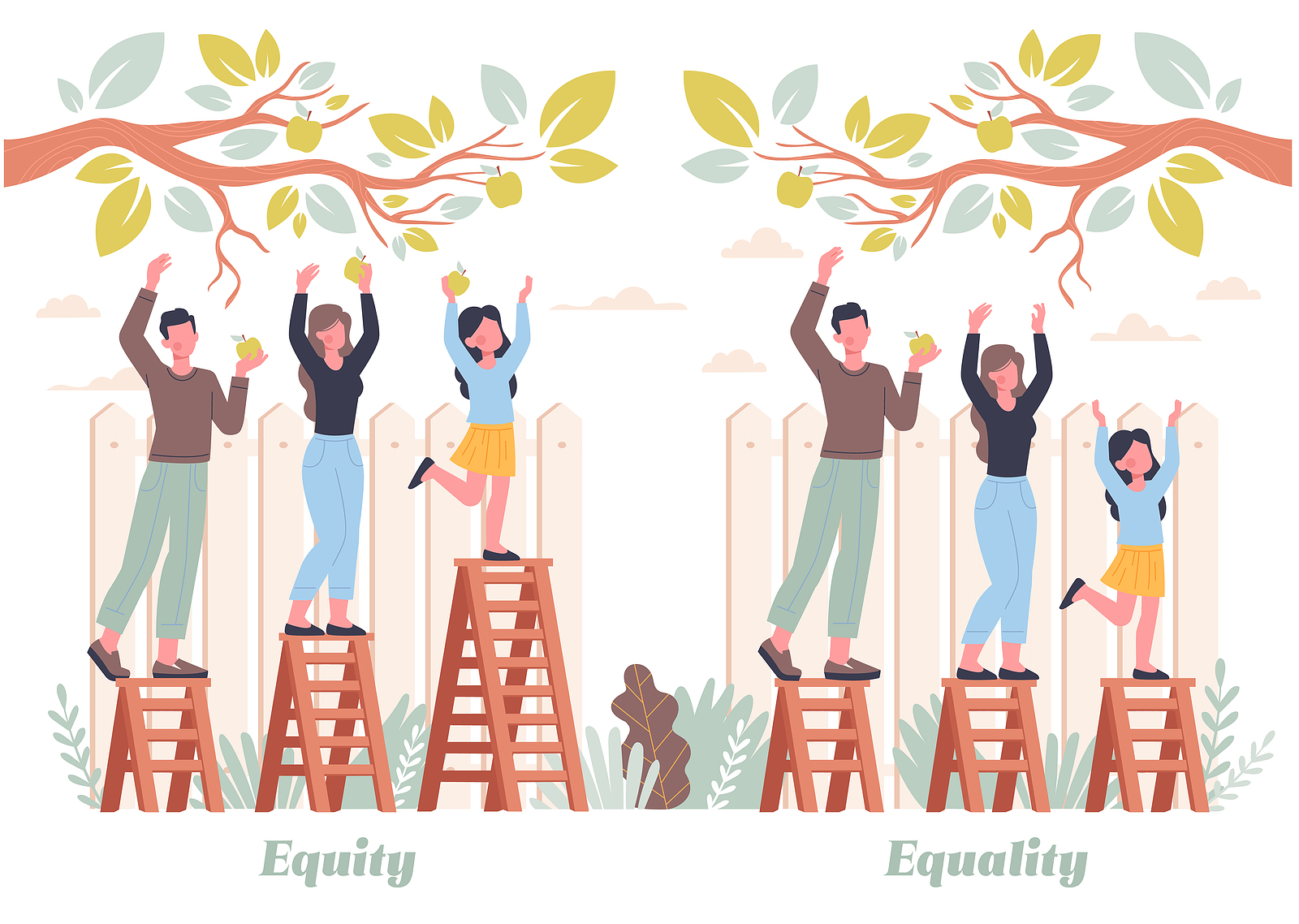
Companies must learn to identify and distinguish between equitable and equal treatment in order to make meaningful changes in the workplace. Equity and equality are

Machine learning, AI and change management: 3 ways leaders can prepare their organization for success. For decades, futurists have been predicting that the workplace will
Toxic corporate cultures can be incredibly difficult to fix, despite the valiant efforts of HR leaders to create programs to improve morale and boost productivity.
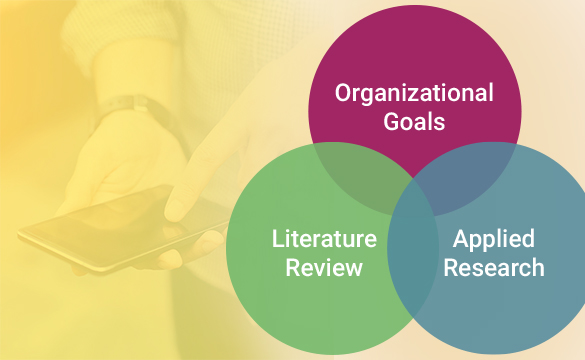
As the executive director of a not-for-profit, how many times have you seen this happen: Your team designs a public education campaign with utmost care,
The Thanksgiving holiday season is the perfect time for families to have important discussions about advance care planning. Advance care planning involves making decisions about
How not-for-profits can turn awareness into real change. Most leaders of not-for-profit organizations are well acquainted with the constant conflict between a deep desire to
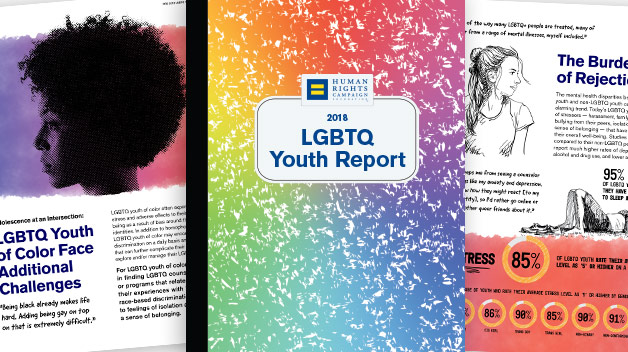
We couldn’t be more proud to see our partners at the Human Rights Campaign Foundation release their groundbreaking report on the status of LGBTQ youth
We often use the term “burnout” as a vague label for an exhausting day or week of hard work, but actual burnout is more than
The topic of wellness is becoming increasingly pervasive in the DEIB space. And most often when we think of wellness, we think about wellness as

January is Self Love Month and it has never been more important for employees to carve out time for prioritizing wellbeing. As we approach the

It’s important to recognize challenges diverse populations face when trying to access mental health services and resources. In the wake of global racial injustice protests
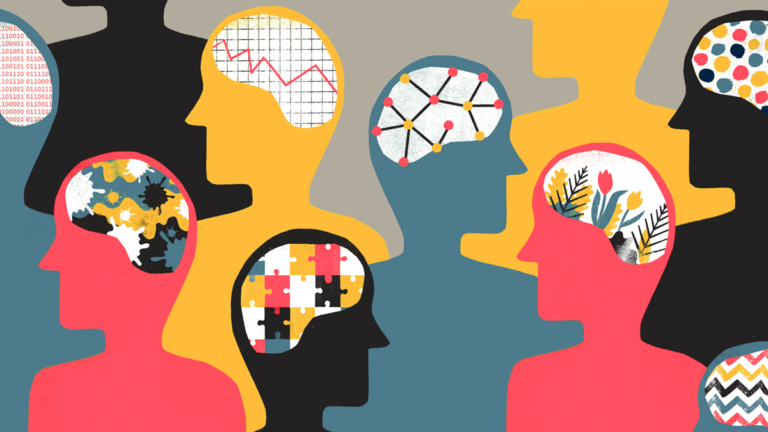
Mental health awareness is for everyone. We all have our mental health to look after. Mental illnesses tend to be the focus of mental health

The ongoing pandemic has started conversations about the difficulties of parenting while working from home. With millions of people now juggling work and caregiving, it’s

It’s no secret that the DEI field is booming.
This year, we must take actionable steps to make our lives and workplaces more equitable as we learn from history. February is Black History Month,
Humans forget about half of the information they’re taught within an hour of having learned it. Learning Snippets was created with this forgetting curve in
The COVID-19 pandemic has exponentially changed the way the world functions. Although most of us can say our daily operations look a little different than

Workplace dress codes reinforce the systemic structures of oppression in which we all live. There may be good intentions behind setting a professional dress code
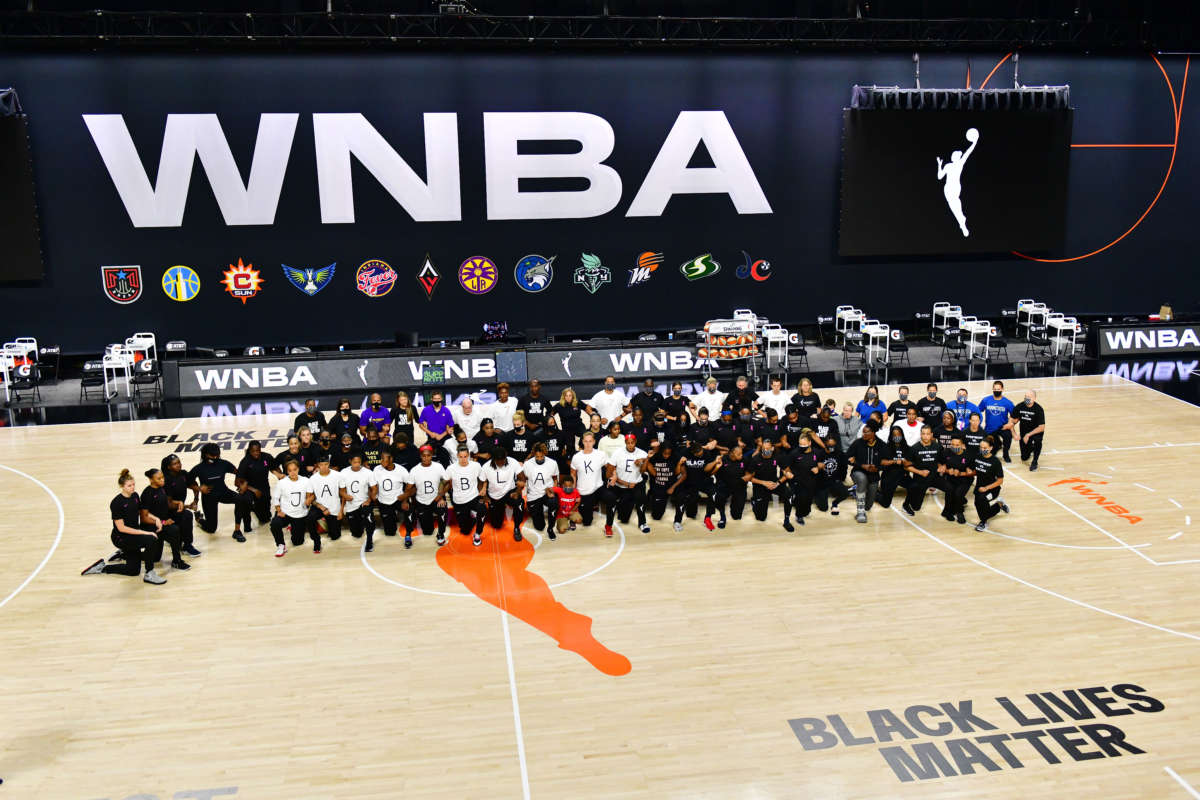
At times like these, businesses need to stand in solidarity with their employees. As allies, we need to take a firm stance on our commitment
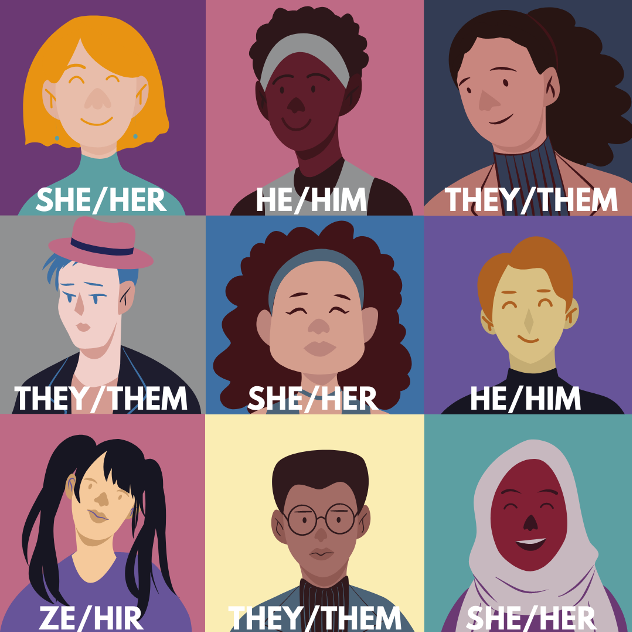
Words matter and so does the way people refer to us through our names and pronouns. Gender binary pronouns are well-ingrained into our societies. While
There’s more to workplace gender diversity than hiring to meet quotas. Hiring gender-diverse employees alone without actively prioritizing inclusivity in your workplace won’t create the
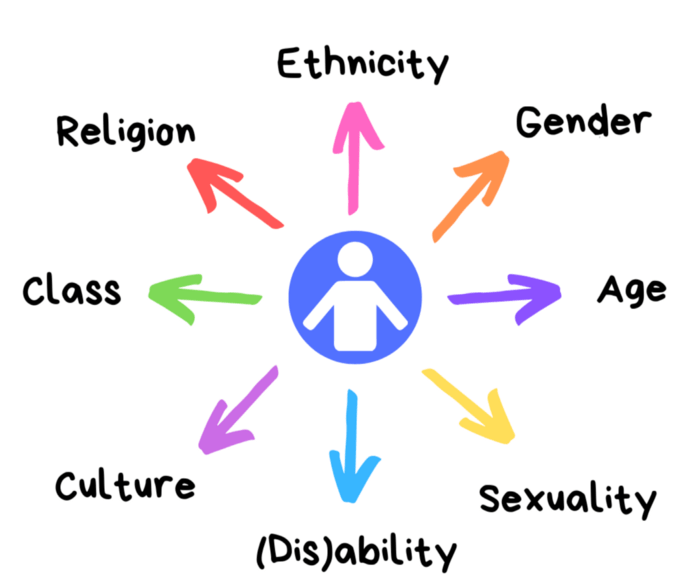
The many different identities people bring to a workplace is something to be celebrated and acknowledged. However, it is important to recognize in all identity-diverse
Upholding your employee’s human rights is not just a moral obligation, it’s also a legislative one. Empowering employees to safely report incidents of harassment and