“They’re great at their job, but they struggle with ‘professional norms.’”
“They’re great at their job, but they struggle with ‘professional norms.’” We frequently hear this critique leveled at three groups: Early-career talent (Gen Z) entering

PROUDLY
CANADIAN
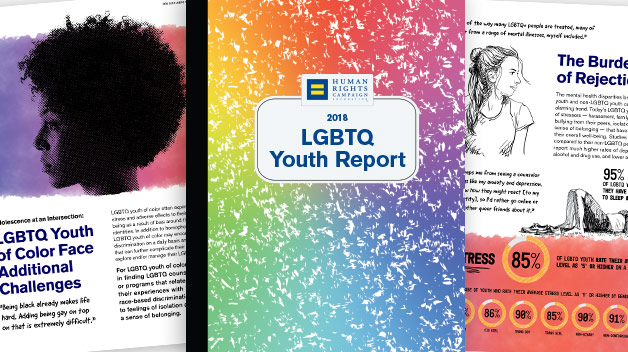
The 2018 LGBTQ Youth Report – which is based on the largest survey of LGBTQ youth to-date – reveals the overwhelming challenges LGBTQ youth face at home, in school, and in their communities, and points the way to effective measures to address these systemic issues.
Our team of researchers and designers supported the production of the report, integrating data-driven insights and evidence-based design to reveal and elevate the stories and experiences of LGBTQ youth. For example, we chose a sketchbook as the report’s fundamental design concept, which gave us a platform to simultaneously display the survey’s boldest statistics, while allowing readers a glimpse into the lives of LGBTQ youth, their private thoughts, feelings and experiences.
More than 12,000 respondents aged 13-17 representing all 50 states and the District of Columbia, participated in the survey, sharing their personal experiences of family rejection, bullying and harassment.
We’re excited to have worked with HRC on this important report and to have supported their efforts to advance equality for all LGBTQ Americans.
Learn more about the HRC Foundation and University of Connecticut 2018 LGBTQ Youth Report.

“They’re great at their job, but they struggle with ‘professional norms.’” We frequently hear this critique leveled at three groups: Early-career talent (Gen Z) entering

https://dialectic.solutions/wp-content/uploads/2026/09/Undercutting-credibility.mp4 We often notice two polar opposite communication habits in emerging talent: Over-apologizing (“Sorry to bother you,” “Sorry, dumb question…”), which shrinks authority and confidence.
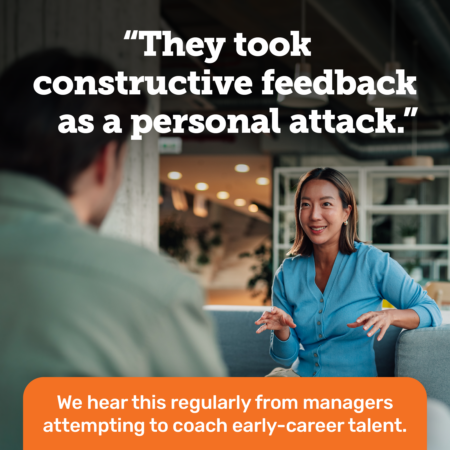
We hear this regularly from managers attempting to coach early-career talent. The knee-jerk reaction to feedback is often defensiveness, interrupting, or making excuses, which halts
See how easy it is to activate soft skills in your organization. Soft skills training on 3 key topics: Leadership, Belonging and Collaboration.