“They’re great at their job, but they struggle with ‘professional norms.’”
“They’re great at their job, but they struggle with ‘professional norms.’” We frequently hear this critique leveled at three groups: Early-career talent (Gen Z) entering

PROUDLY
CANADIAN
Traditionally, Human Resources or Corporate Social Responsibility departments owned diversity and inclusion initiatives. But more and more companies are either outsourcing DEI support or creating separate DEI departments. And the new generation of DEI professionals aren’t necessarily coming out of these traditional fields. And in fact, they increasingly come from various backgrounds and experiences. There really is no one single educational pathway to becoming a DEI professional.
So what makes a successful DEI professional today? What are those transferable skills and competencies that are especially suited towards this line of work?
One field in particular, however, is generating a number of the next generation of DEI professionals – Community Organizing.
Why Are So Many Community Organizers Transitioning to DEI?
Listen to the newest episode of Just One Q to find out.

“They’re great at their job, but they struggle with ‘professional norms.’” We frequently hear this critique leveled at three groups: Early-career talent (Gen Z) entering

https://dialectic.solutions/wp-content/uploads/2026/09/Undercutting-credibility.mp4 We often notice two polar opposite communication habits in emerging talent: Over-apologizing (“Sorry to bother you,” “Sorry, dumb question…”), which shrinks authority and confidence.
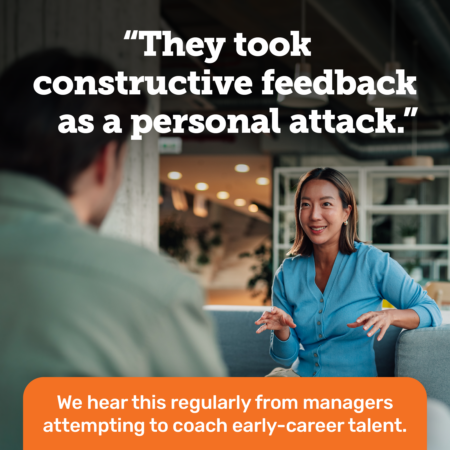
We hear this regularly from managers attempting to coach early-career talent. The knee-jerk reaction to feedback is often defensiveness, interrupting, or making excuses, which halts
See how easy it is to activate soft skills in your organization. Soft skills training on 3 key topics: Leadership, Belonging and Collaboration.