“They’re great at their job, but they struggle with ‘professional norms.’”
“They’re great at their job, but they struggle with ‘professional norms.’” We frequently hear this critique leveled at three groups: Early-career talent (Gen Z) entering

PROUDLY
CANADIAN
Hiring gender-diverse employees alone without actively prioritizing inclusivity in your workplace won’t create the lasting change you’re hoping for.
Evaluating the way your organization supports its identity-diverse employees is essential to creating a more inclusive workplace.
Especially within the last decade, strides have been made toward equality of the LGBTQ+ community, but there is still a significant amount of room for improvement when it comes to building more inclusive workplace cultures.
In what many consider to be the most socially progressive countries around the world, only around 40% of LGBTQ+ employees report that they’re fully open about their gender identity, gender expression or sexual orientation at work. More than half of employees believe that the way they identify has slowed their progress at work.
These statistics indicate that there’s still a level of discomfort among employees to be their authentic selves at work. Workplace cultures that aren’t truly inclusive, and leaders who fail to empower their employees, contribute to this.
Here are 3 ways your company can provide better support for your LGBTQ+ staff:
By laying a solid foundation of inclusion within your organization, you’ll be better prepared to support current and future gender-diverse employees.
Want to start building your education around intersectionality and identity? Read our blog post, “Intersectionality and its Impacts” and join the mailing list for our weekly Sunday Snippets newsletter to stay up to date on best practices for diversity, inclusion and equity in the workplace.

“They’re great at their job, but they struggle with ‘professional norms.’” We frequently hear this critique leveled at three groups: Early-career talent (Gen Z) entering


https://dialectic.solutions/wp-content/uploads/2026/09/Undercutting-credibility.mp4 We often notice two polar opposite communication habits in emerging talent: Over-apologizing (“Sorry to bother you,” “Sorry, dumb question…”), which shrinks authority and confidence.
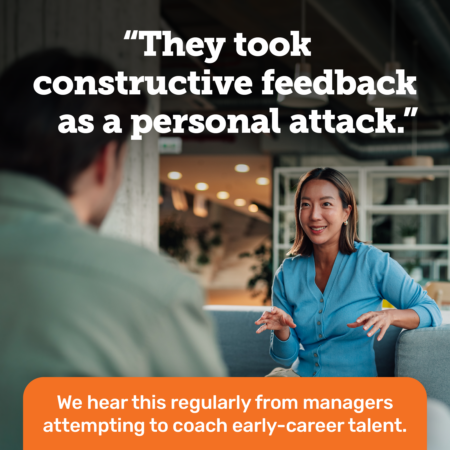
We hear this regularly from managers attempting to coach early-career talent. The knee-jerk reaction to feedback is often defensiveness, interrupting, or making excuses, which halts
See how easy it is to activate soft skills in your organization. Soft skills training on 3 key topics: Leadership, Belonging and Collaboration.