“They’re great at their job, but they struggle with ‘professional norms.’”
“They’re great at their job, but they struggle with ‘professional norms.’” We frequently hear this critique leveled at three groups: Early-career talent (Gen Z) entering

PROUDLY
CANADIAN
One-off training days for diversity and inclusion might be great in the moment, but real change to your workplace culture will come from making diversity, equity and inclusion a daily habit.
It’s not just about ticking boxes of inclusivity. It’s about leading by example and actively choosing to prioritize DEI strategies.
Implicit biases develop over the course of an individual’s lifetime, and so working to eliminate such biases requires intentional efforts to unlearn. Debiasing techniques are effective and manageable, but they need to be ongoing. A seminar or keynote speaker won’t make your biases disappear.
Here are three thinking habits you can start practicing daily at work:
We all carry biases, whether implicit or not. By working to address yours and your team’s often, you will be able to make inclusivity part of your daily routine.
Want to keep learning? Listen to the first episode of Just One Q with Dr. Melissa Horne, a Learning Snippets podcast and sign up for our weekly Sunday Snippets newsletter to stay up-to-date on best practices for diversity, inclusion and equity in the workplace.

“They’re great at their job, but they struggle with ‘professional norms.’” We frequently hear this critique leveled at three groups: Early-career talent (Gen Z) entering

https://dialectic.solutions/wp-content/uploads/2026/09/Undercutting-credibility.mp4 We often notice two polar opposite communication habits in emerging talent: Over-apologizing (“Sorry to bother you,” “Sorry, dumb question…”), which shrinks authority and confidence.
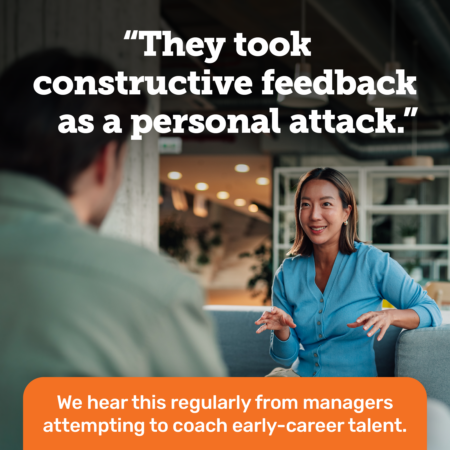
We hear this regularly from managers attempting to coach early-career talent. The knee-jerk reaction to feedback is often defensiveness, interrupting, or making excuses, which halts
See how easy it is to activate soft skills in your organization. Soft skills training on 3 key topics: Leadership, Belonging and Collaboration.