“They’re great at their job, but they struggle with ‘professional norms.’”
“They’re great at their job, but they struggle with ‘professional norms.’” We frequently hear this critique leveled at three groups: Early-career talent (Gen Z) entering

PROUDLY
CANADIAN
It’s important to respect the many different ways your employees may be spending this time of year.
Only about 32% of the world’s population celebrates Christmas, meaning everyone else either observes other non-Christian religious holidays, isn’t affiliated with a religion (i.e. those that identify as atheist or agnostic) or chooses not to celebrate for personal reasons.
Switching from wishing your coworkers “Merry Christmas” to “Happy Holidays,” exclusively changing labels and titles, is no longer enough when it comes to inclusivity around the holidays.
Make an effort to learn about other traditions outside of your own. It’s time to approach the end of the year with inclusivity by building your understanding and awareness of the holidays and beliefs of the people around you.
Here are 3 key ways you can celebrate more inclusively this holiday season:
Carve out some time to learn about cultural celebrations and be prepared for more inclusive holiday seasons moving forward.
Interested in learning more about inclusivity? Try 1 FREE Inclusivity 101 Snippets and join the mailing list for our weekly Sunday Snippets newsletter to stay up to date on best practices for diversity, inclusion and equity in the workplace.

“They’re great at their job, but they struggle with ‘professional norms.’” We frequently hear this critique leveled at three groups: Early-career talent (Gen Z) entering


https://dialectic.solutions/wp-content/uploads/2026/09/Undercutting-credibility.mp4 We often notice two polar opposite communication habits in emerging talent: Over-apologizing (“Sorry to bother you,” “Sorry, dumb question…”), which shrinks authority and confidence.
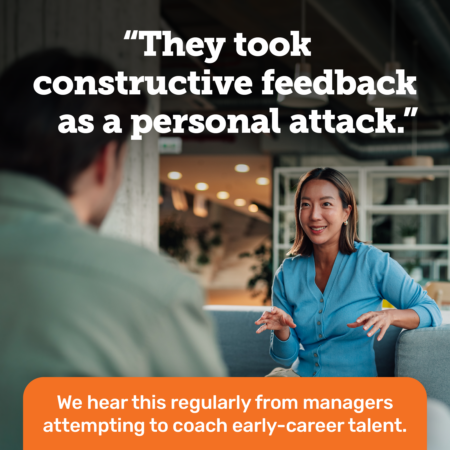
We hear this regularly from managers attempting to coach early-career talent. The knee-jerk reaction to feedback is often defensiveness, interrupting, or making excuses, which halts
See how easy it is to activate soft skills in your organization. Soft skills training on 3 key topics: Leadership, Belonging and Collaboration.