“They’re great at their job, but they struggle with ‘professional norms.’”
“They’re great at their job, but they struggle with ‘professional norms.’” We frequently hear this critique leveled at three groups: Early-career talent (Gen Z) entering

PROUDLY
CANADIAN
Everyone has unconscious biases and blind spots, so seek feedback from your team about your strengths and potential learning opportunities in order to address yours.
A healthy workplace environment is one that promotes open dialogue about development areas. You will also be able to start building your visible commitment to diversity and inclusion. Every moment is an opportunity to start the process.
Being ready to acknowledge your biases looks like:
It’s okay to adjust your strategies when needed. Different teams require different approaches and resources. The best way to begin adjusting your leadership style is being willing to adapt.
Are you receiving any positive feedback about your inclusive practices? Are your employees feeling more comfortable speaking up when something goes wrong? Do you feel like there’s been any improvement in the collaborative nature of your team? If so, you’re on the right track. If not, take time to reassess with your team and reflect on what you can change moving forward.
Want to keep learning? Sign up to Try 1 Free Inclusivity 101 Learning Snippets or sign-up for our weekly Sunday Snippets newsletter to stay up-to-date on best practices for diversity, inclusion and equity in the workplace.

“They’re great at their job, but they struggle with ‘professional norms.’” We frequently hear this critique leveled at three groups: Early-career talent (Gen Z) entering


https://dialectic.solutions/wp-content/uploads/2026/09/Undercutting-credibility.mp4 We often notice two polar opposite communication habits in emerging talent: Over-apologizing (“Sorry to bother you,” “Sorry, dumb question…”), which shrinks authority and confidence.
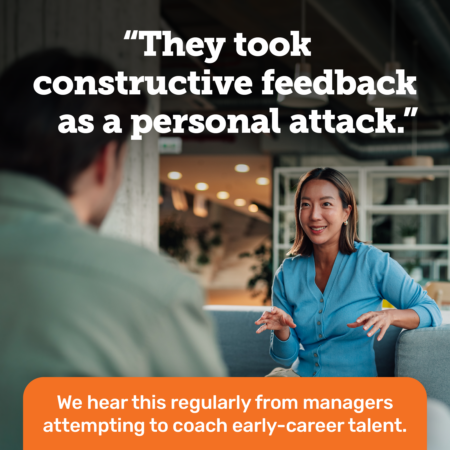
We hear this regularly from managers attempting to coach early-career talent. The knee-jerk reaction to feedback is often defensiveness, interrupting, or making excuses, which halts
See how easy it is to activate soft skills in your organization. Soft skills training on 3 key topics: Leadership, Belonging and Collaboration.