Discrimination causes real harm to people and workplaces. What actually works to stop it?
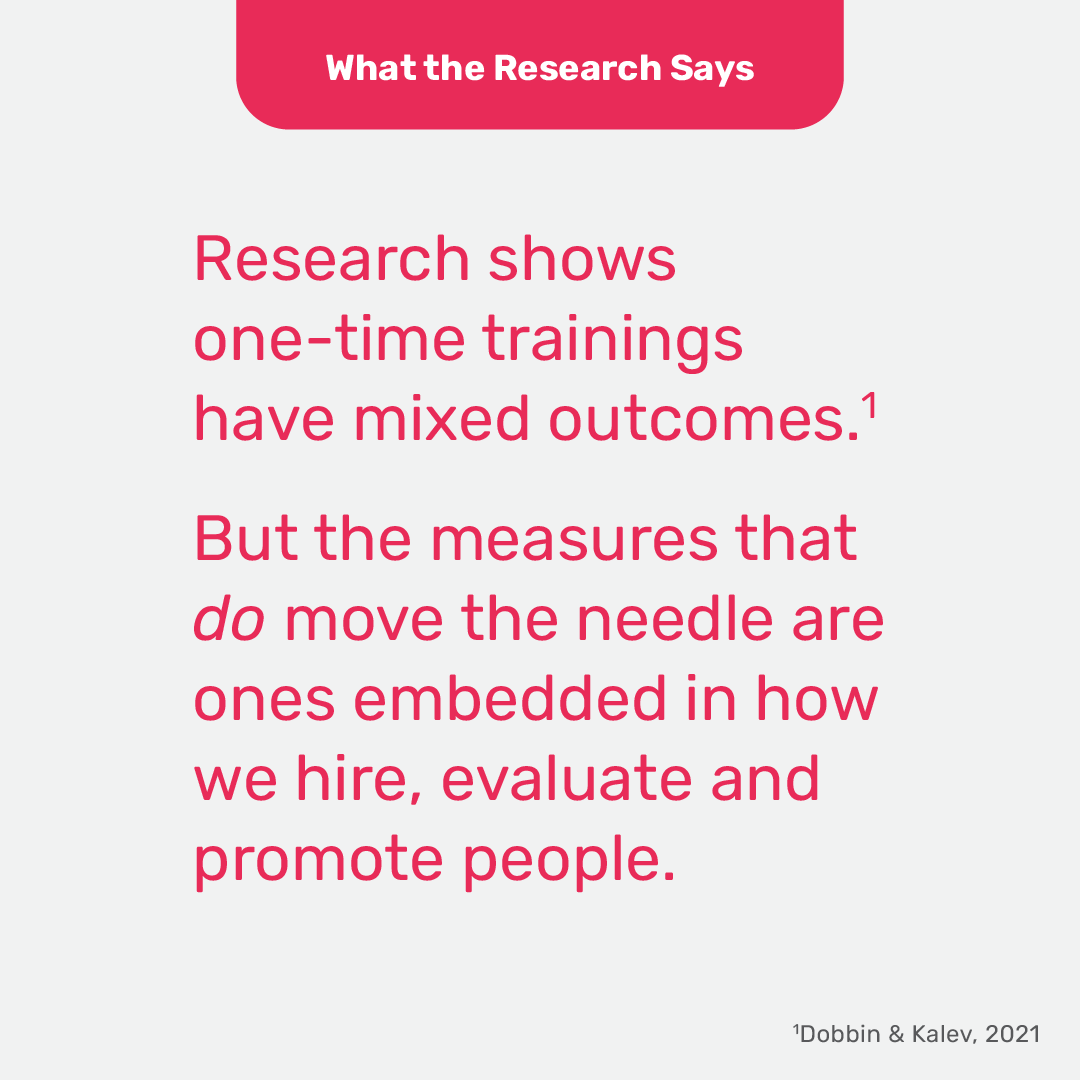
Research shows one‑time trainings have mixed outcomes (Dobbin & Kalev, 2021). But the measures that do move the needle are ones embedded in how we hire, evaluate and promote people.
Key levers that work:
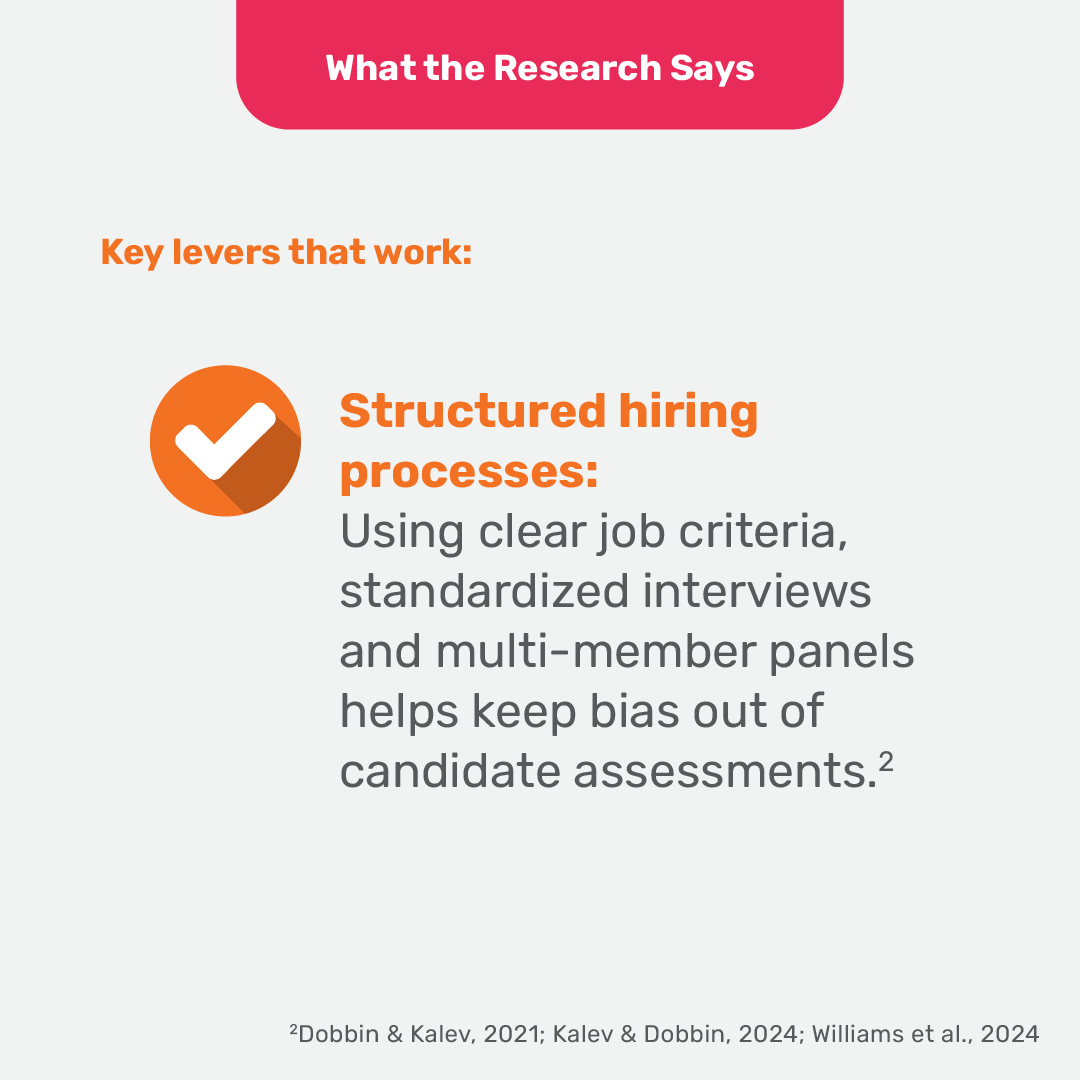
✅ Structured hiring processes → Using clear job criteria, standardized interviews and multi‑member panels helps keep bias out of candidate assessments. (Dobbin & Kalev, 2021; Kalev & Dobbin, 2024; Williams et al., 2024)
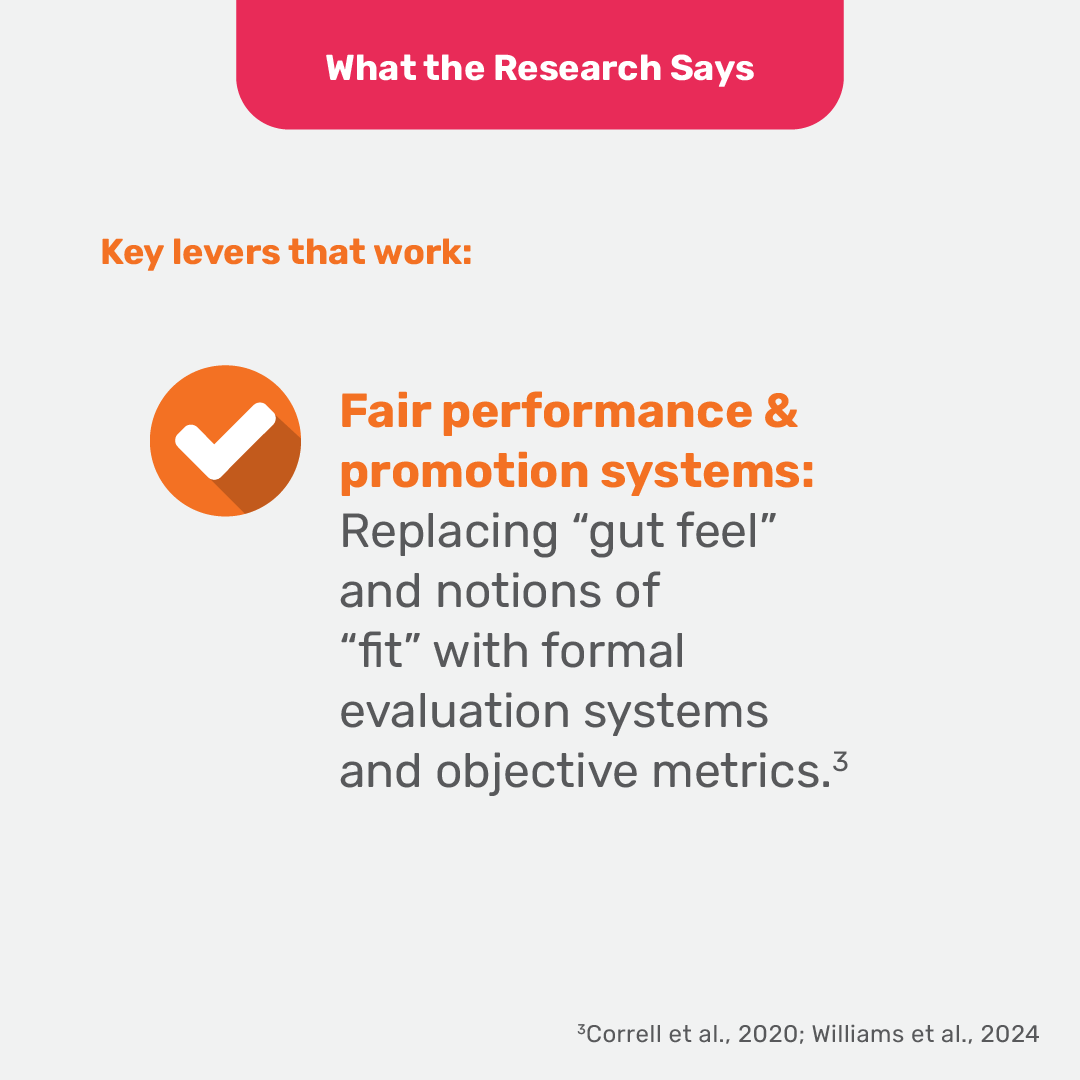
✅ Fair performance & promotion systems → Replacing “gut feel” and notions of “fit” with formal evaluation systems and objective metrics. (Correll et al., 2020; Williams et al., 2024).
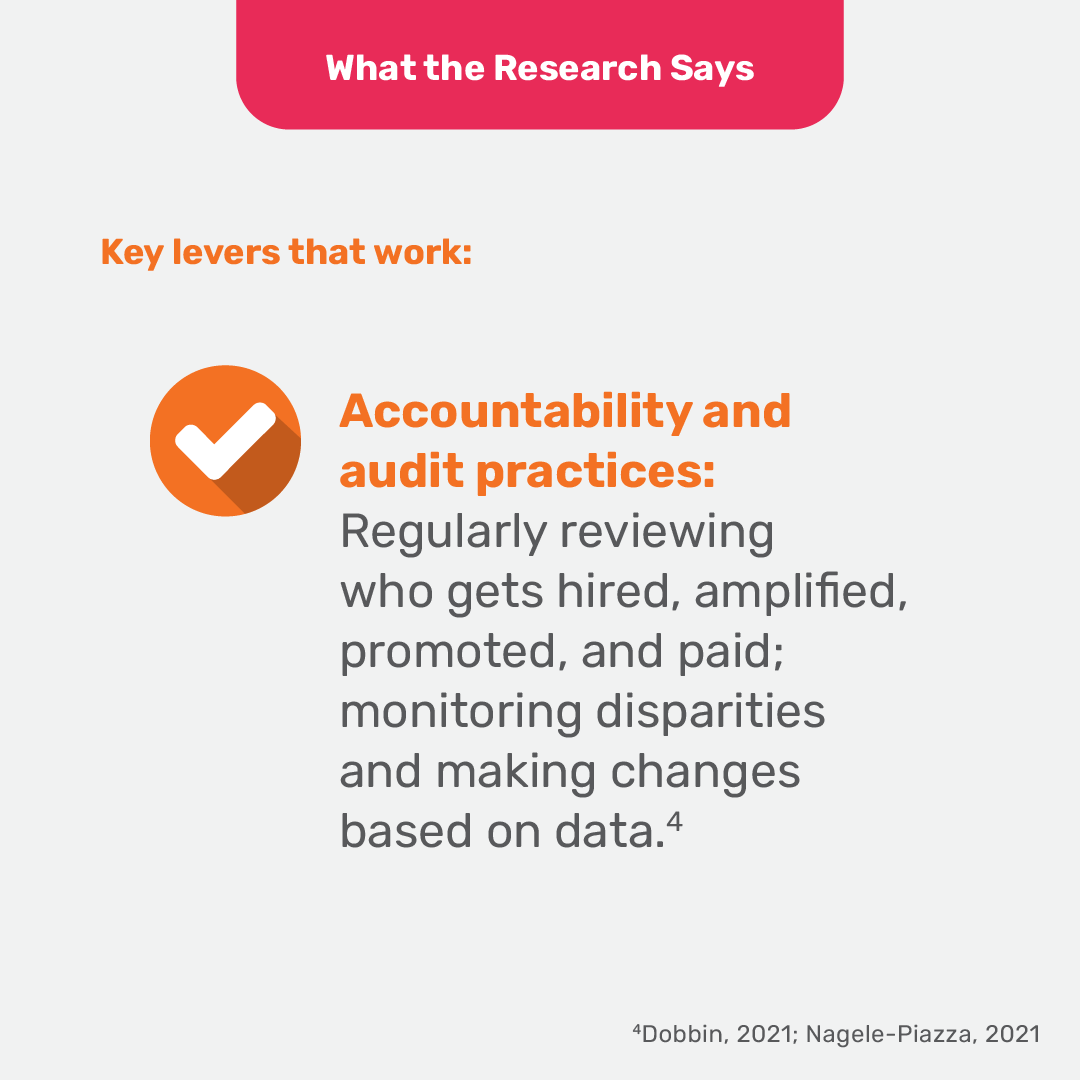
✅ Accountability and audit practices → Regularly reviewing who gets hired, amplified, promoted, and paid; monitoring disparities and making changes based on data. (Dobbin, 2021; Nagele-Piazza, 2021).
✅ Inclusive workplace practices → From ramps to parental leave to prayer spaces, small accommodations promote inclusion. (Leger, 2023)
Bottom line → Effective training encourages and equips people to build systems and structures that prevent discrimination. This is something that a one-off training session can’t deliver.
⎯
Frank Dobbin & Alexandra Kalev, The Civil Rights Revolution at Work: What Went Wrong, 47 Ann. Rev. of Socio. 281, 288 (2021)
🔗 Practice the skills you need to build #inclusive systems and structures with Learning Snippets. https://bit.ly/LS-Inc101