Every February, we celebrate the profound resilience that defines Black history. But are we depending on that strength rather than fixing modern workplace culture?
In addition to facing structural or systemic disadvantage, Black and racialized people commonly face microaggressions: subtle, everyday expressions of oppression—verbal, behavioural, or environmental—that communicate hostile or negative messages based on identity.
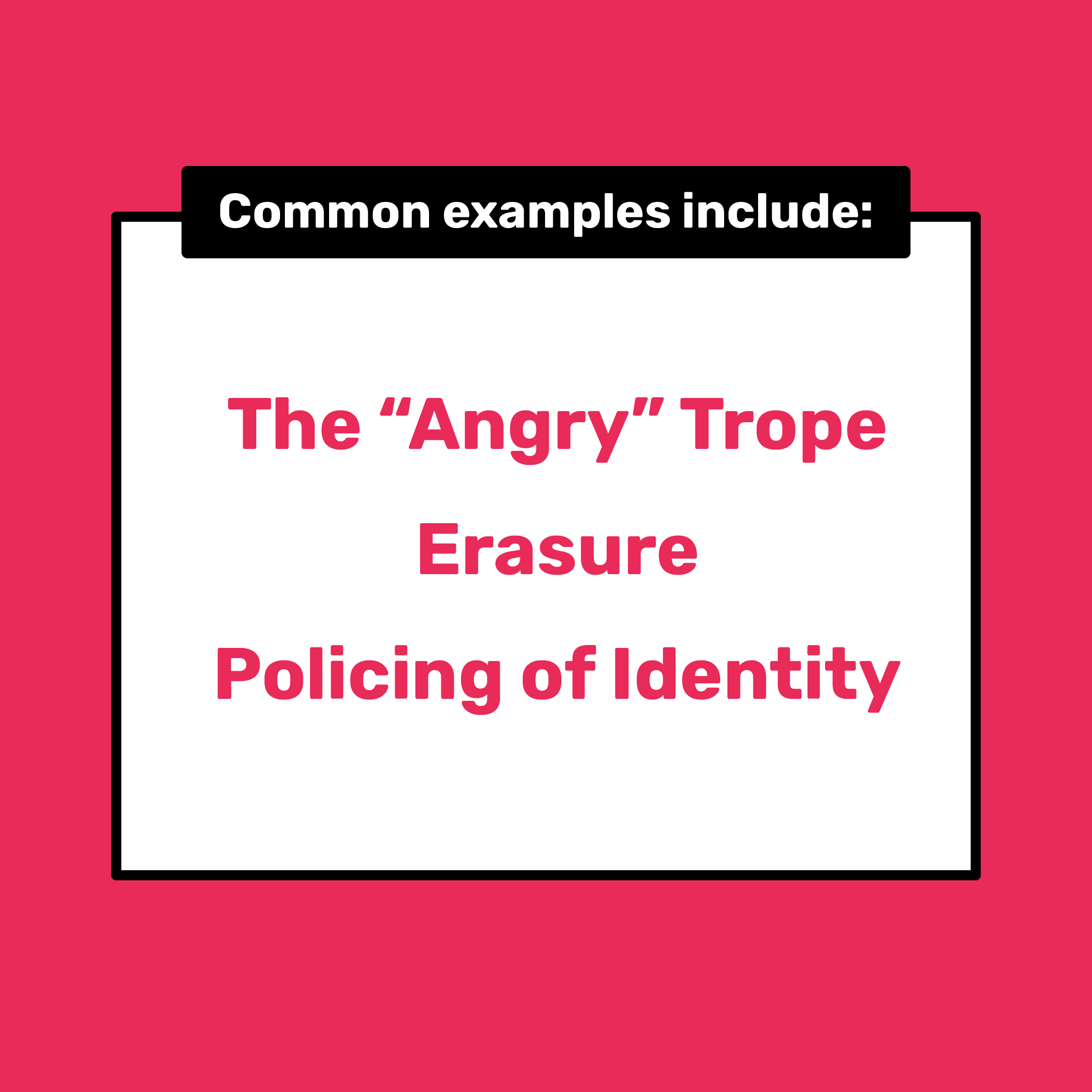
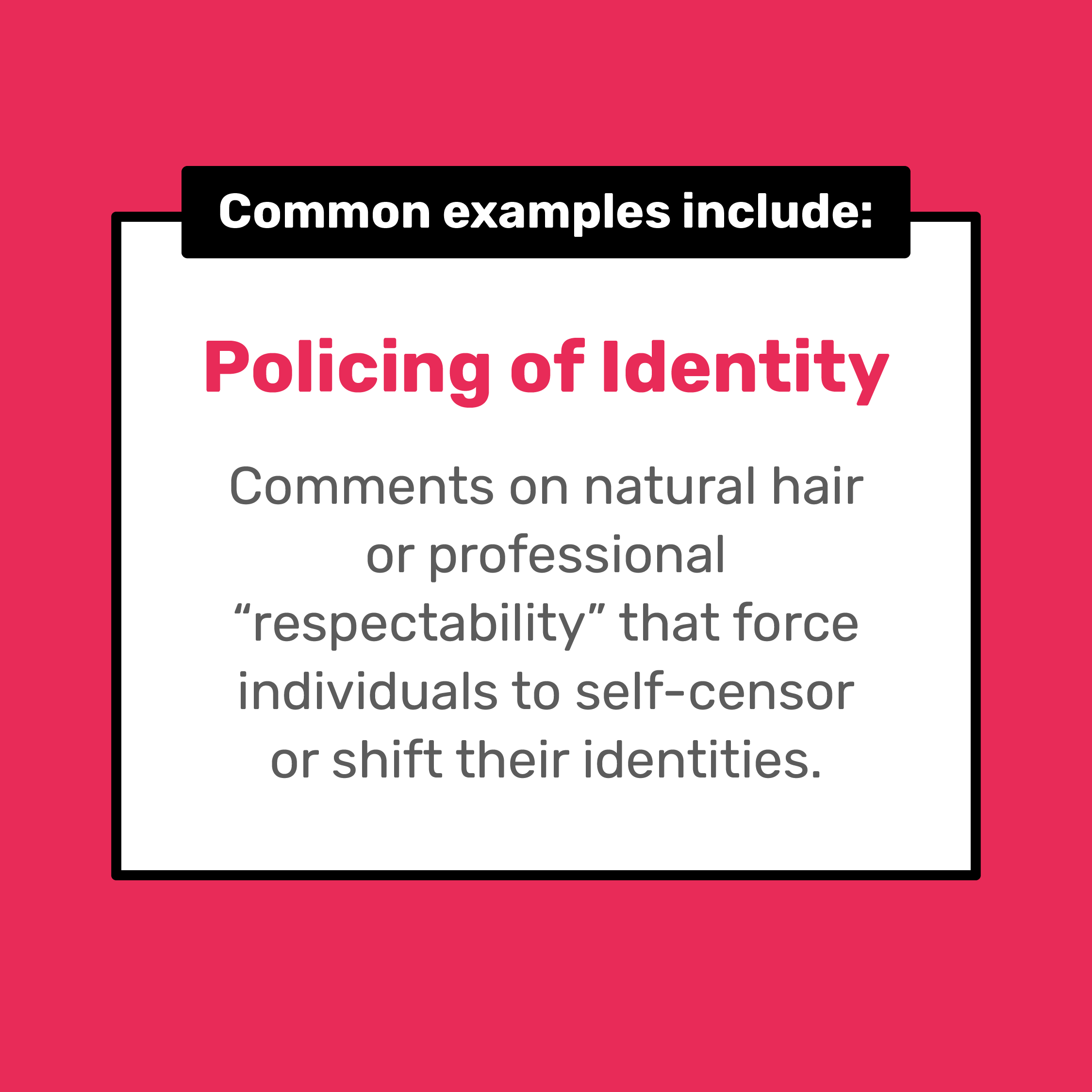
Common examples include:
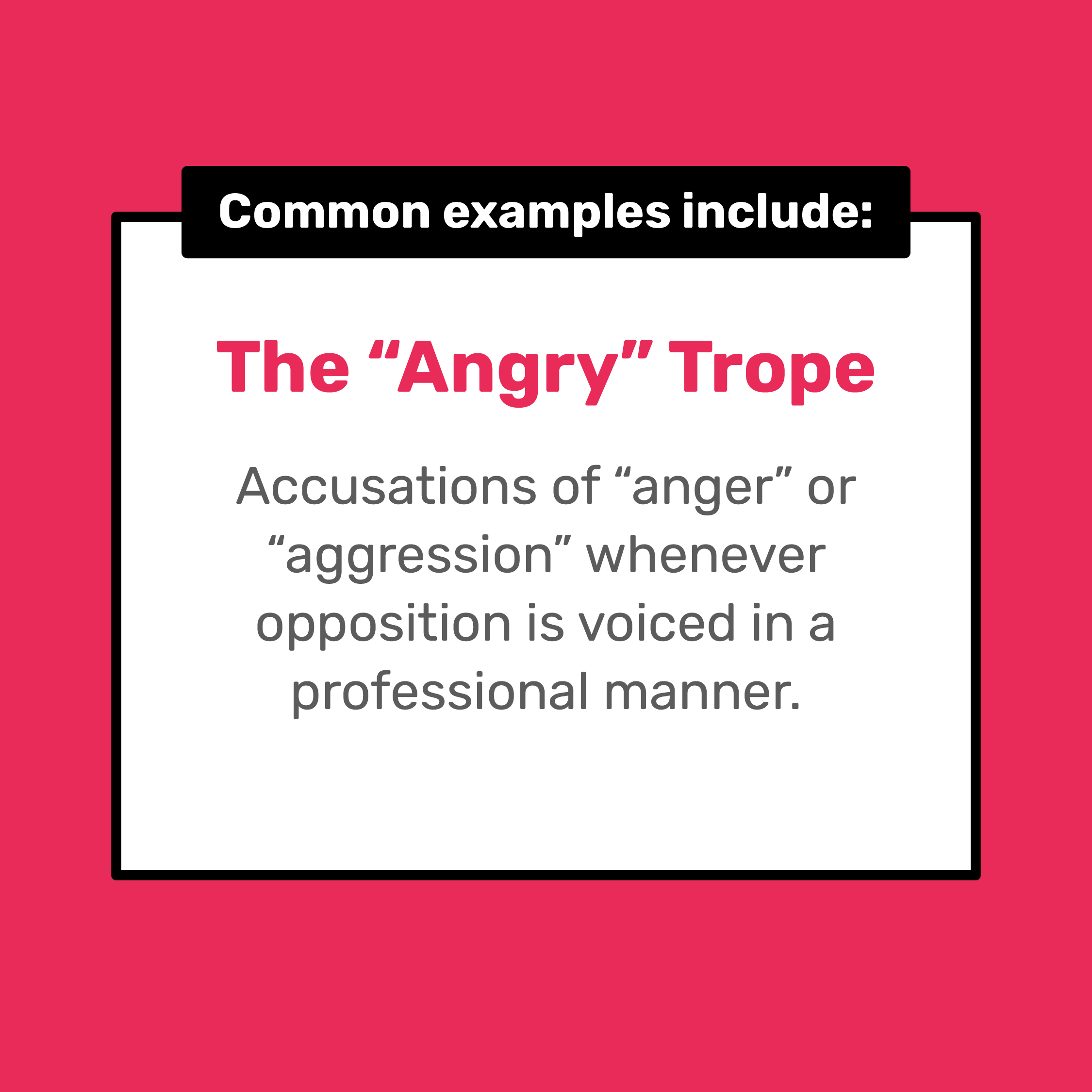
→ The “Angry” Trope: Accusations of “anger” or “aggression” whenever opposition is voiced in a professional manner.
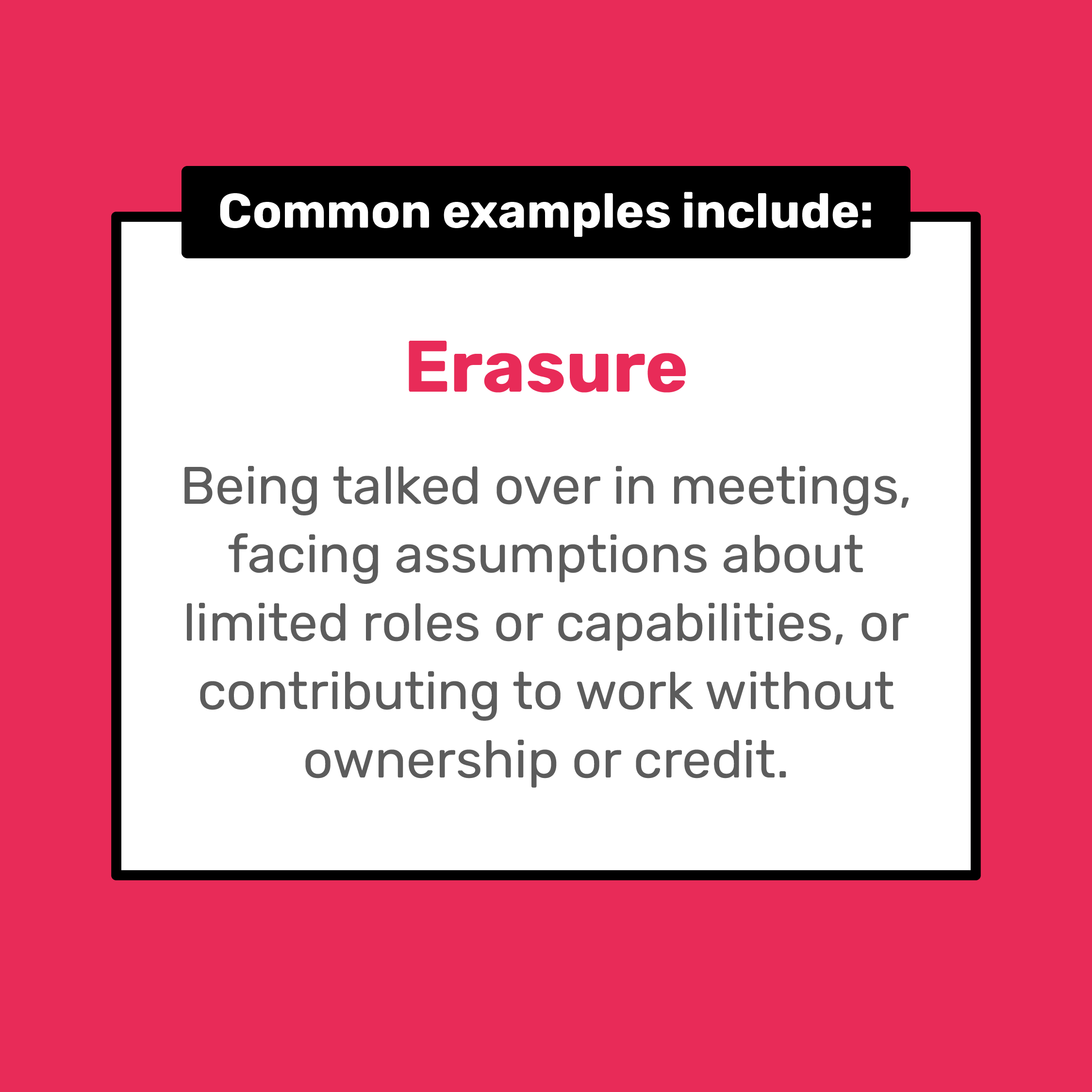
→ Erasure: Being talked over in meetings, facing assumptions about limited roles or capabilities, or contributing to work without ownership or credit.
→ Policing of Identity: Comments on natural hair or professional “respectability” that force individuals to self-censor or shift their identities.
Responding
True inclusion means moving from demanding grit and resilience to interrupting racist microaggressions.
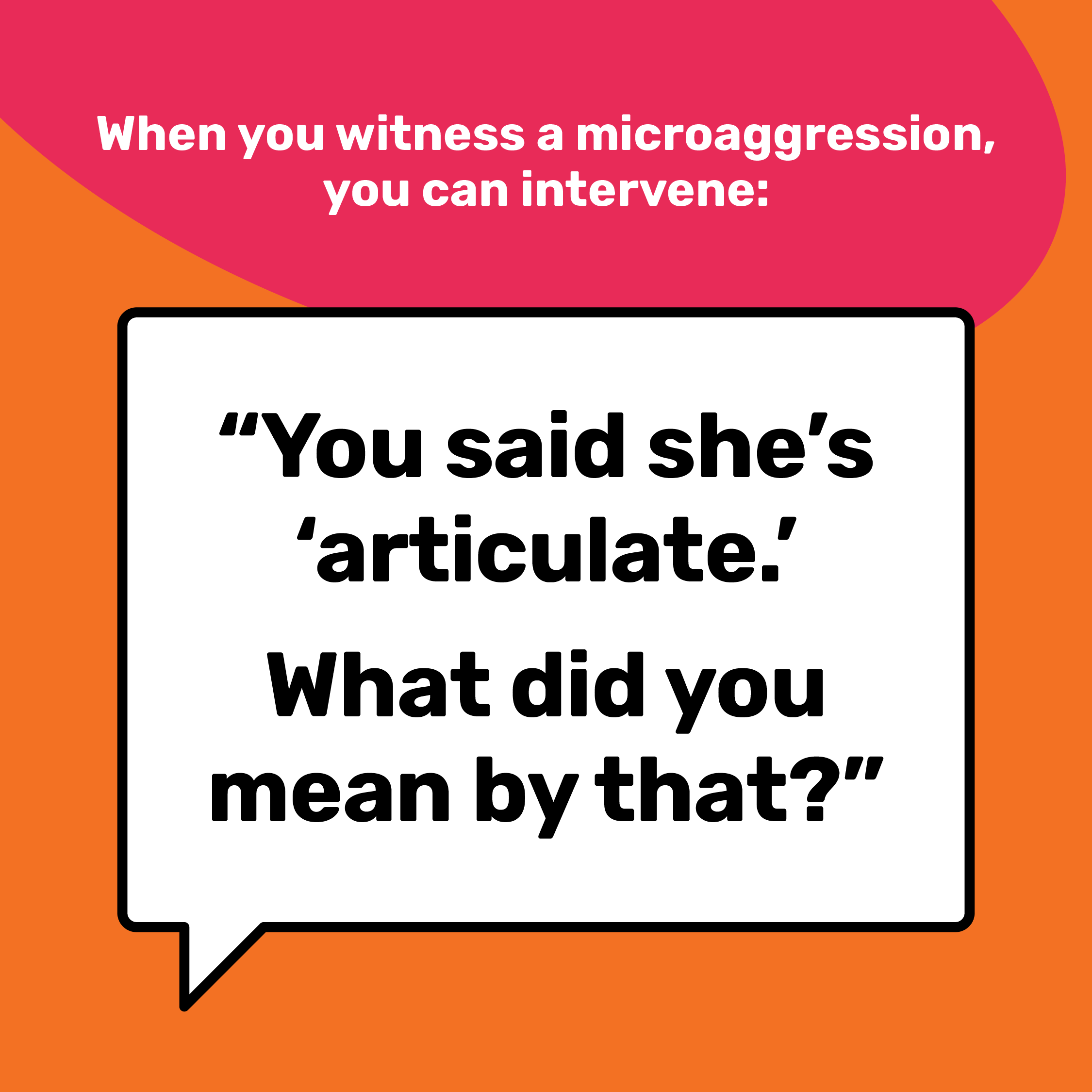
When you witness a microaggression, you can intervene:
→ “You said she’s ‘articulate.’ What did you mean by that?”
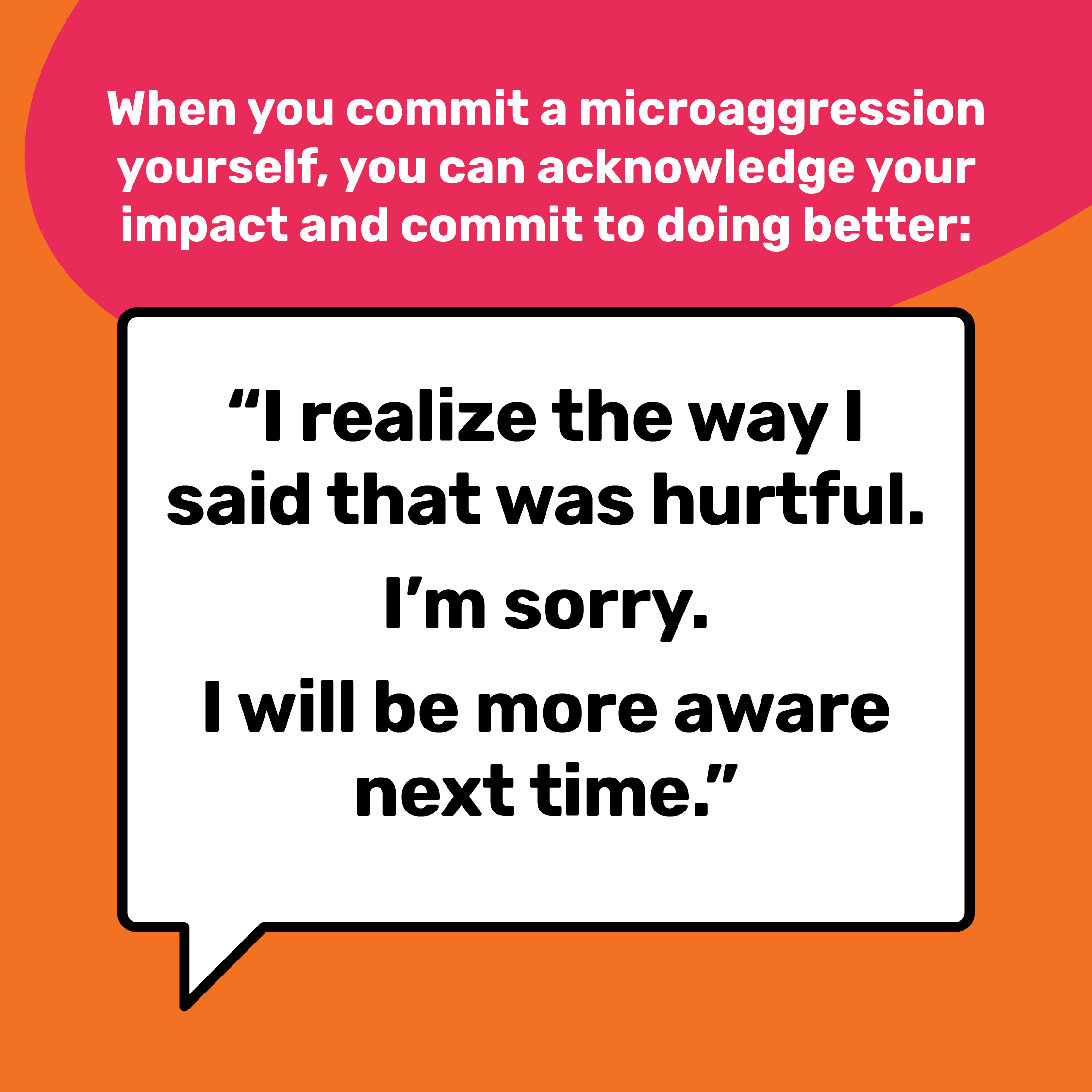
When you commit a microaggression yourself, you can acknowledge your impact and commit to doing better:
→ “I realize the way I said that was hurtful. I’m sorry. I will be more aware next time.”
Here’s a great resource for learning to respond to racist comments 🔗https://bit.ly/3EyNGUm